
Reporting
How to Write a Home Inspection Report That Clients Actually Use
Structure, standard-of-practice language, photo discipline, and the sequencing decisions that determine whether a report takes two hours or six.
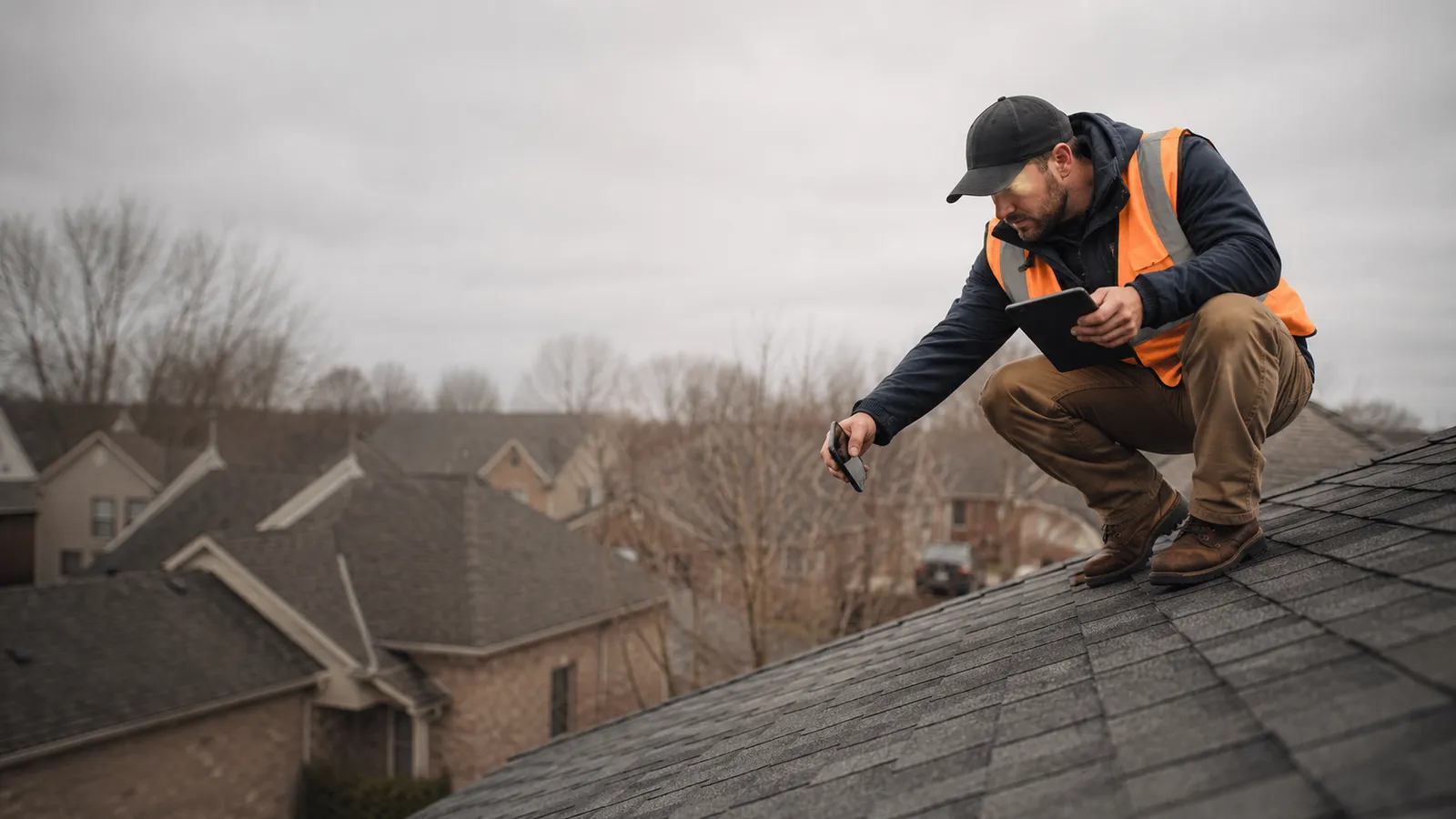
A home inspection report has one job: let a reader who was not at the property understand its condition well enough to make a decision. Everything else — formatting, tone, software — serves that. A usable report is organised by building system, states each finding in plain language, shows a photo of what is being described, and separates safety issues from maintenance items so the reader knows what to do first.
The difficulty is rarely knowing what to write. It is producing it consistently, at volume, without losing an evening to it. This guide covers the structure that works, the language patterns that hold up under scrutiny, and — the part most guides skip — the sequencing decisions that determine how long writing actually takes.
The sections a home inspection report needs
Report structure varies by jurisdiction and by the standard of practice you inspect under, but the underlying skeleton is stable across almost all of them.
| Section | Purpose | Common mistake |
|---|---|---|
| Cover and identification | Property address, date, weather, who was present, inspector licence details | Omitting weather and occupancy — both materially affect what could be inspected |
| Scope and limitations | What the inspection covered, what it did not, and why | Boilerplate so generic it fails to record the actual limitations of that day |
| Summary of findings | Safety hazards and major defects, grouped by urgency | Burying safety items in a list sorted by building system instead of by severity |
| System-by-system body | Detailed observations organised by roof, exterior, structure, electrical, plumbing, HVAC, interior | Inconsistent depth — four paragraphs on the roof, one line on the electrical panel |
| Photographs | Visual evidence for every material finding | Photos batched at the end instead of placed beside the finding they support |
| Not-inspected items | Anything inaccessible, and the reason | Leaving it implicit, which reads as an oversight rather than a documented limitation |
Write findings in a repeatable four-part pattern
The most common cause of an inconsistent report is that each finding is composed from scratch. Experienced inspectors converge on a pattern, whether or not they have named it:
- Observation — what you saw, factually and without interpretation. "Localised ponding was observed adjacent to the north roof outlet."
- Location — precise enough for a contractor to find it without calling you. "North slope, approximately two metres east of the chimney."
- Implication — why it matters, in the reader's terms. "Standing water accelerates membrane deterioration and can indicate a blocked or under-sized outlet."
- Recommendation — the action, and who should take it. "Recommend evaluation by a licensed roofing contractor before the next wet season."
Following this pattern does three things at once. It keeps the report consistent between inspectors and across years. It keeps you inside the observation-and-recommendation lane rather than drifting into diagnosis you did not perform. And it makes the writing mechanical enough to do quickly.
Photograph discipline is what separates fast reports from slow ones
The single biggest determinant of report-writing time is not typing speed. It is whether photographs arrive at the desk already associated with the finding they support.
An inspector who shoots 300 photos into a camera roll and sorts them afterwards is doing a second inspection — this one from memory, at night, with worse information than they had on site. An inspector who attaches each photo to the checklist item it belongs to has already done the sorting, on site, in the moment when context was free.
- Shoot an overview frame, then the detail frame. The overview establishes location; the detail establishes the defect.
- Include a reference for scale where size matters — a tape, a hand, a standard component.
- Photograph what you could not inspect, not just what you did. An image of an obstructed access hatch is the evidence behind a limitation.
- Capture the address or street number early. It anchors the whole set to the correct property.
- Never rely on remembering which slope a photo came from. Record it at capture.
Sequence the report to match how it will be read
Clients do not read a home inspection report end to end. They read the summary, jump to whatever alarmed them, and forward the whole file to whoever will act on it. Structure for that behaviour.
Lead with severity, not with building sequence. A reader needs to know within thirty seconds whether anything requires immediate attention. Group the body by system afterwards, because that is how contractors and subsequent inspectors will navigate it.
Keep the summary genuinely short. A summary that reproduces every finding is not a summary, and it trains readers to skip it — which defeats the safety-first ordering you built it for.
Where the hours actually go
Ask a working inspector where report time disappears and the answer is rarely "writing." It is reconstruction: matching photos to rooms, recalling which elevation a crack was on, re-deriving the sequence of a day that has since blurred into the next one.
That reconstruction cost is avoidable, and avoiding it is a workflow decision rather than a writing skill. Every piece of context recorded on site — the checklist item a photo belongs to, a fifteen-second voice note describing what you were looking at, a measurement typed while standing in front of it — is context you do not have to rebuild later.
| Approach | Where the work happens | Typical outcome |
|---|---|---|
| Camera roll plus notepad | Almost entirely after the visit | Longest write-up; highest risk of misattributed photos and forgotten detail |
| Digital checklist, photos batched | Split | Structure improves, but photo sorting remains a manual reconstruction step |
| Capture attached to checklist items on site | Almost entirely during the visit | Shortest write-up; the report is largely assembled before you leave |
A practical target for report length
There is no correct length, but there is a correct density. Every sentence should either describe something observed, explain why it matters, or state a recommendation. Sentences that do none of those — throat-clearing, restated scope, filler transitions — make the report longer and less usable at the same time.
If a report has grown to a length nobody reads, the fix is usually not shorter writing. It is a tighter summary and a body organised so readers can reach the section they care about in one jump.
Building a template you will actually keep using
A good template encodes the decisions you would otherwise re-make on every job: which sections appear, in what order, what severity levels mean, and which standard phrasings you reuse for common defects.
That last item — a personal library of vetted defect language — is the highest-leverage asset a report writer builds.
When comparing tools, use a broader inspection report software evaluation checklist to test whether that structure remains portable, reviewable, and under your control. It makes output consistent, defensible, and fast, because the common ninety per cent of findings stop being writing tasks and become selection tasks. The trap is letting the library drift: language written once and never reviewed can carry an error into hundreds of reports.
Frequently asked questions
How long should a home inspection report take to write?
It depends far more on how evidence was captured than on the size of the property. When photos and notes are already attached to specific checklist items during the inspection, most of the report is assembled before the inspector leaves. When they are not, the writing session includes a reconstruction step that frequently takes longer than the inspection itself.
Should the summary list every defect?
No. A summary that reproduces the full findings list stops functioning as a summary and trains readers to skip it. Limit it to safety hazards and material defects, and let the system-by-system body carry the detail.
What should I write about areas I could not inspect?
State the area, the reason it was inaccessible, and — where useful — photograph the obstruction. Documented limitations protect both the client and the inspector. Silence about an uninspected area reads as an oversight.
Can I include repair cost estimates?
Only if estimating is within your scope and competence, and your standard of practice permits it. Otherwise recommend evaluation by the appropriate trade. A cost figure you did not calculate is a claim you may have to defend.
How do I keep reports consistent across multiple inspectors?
Consistency comes from shared structure and shared language: the same section order, the same severity definitions, and a common library of reviewed defect descriptions. Individual judgement should apply to what is found, not to how a routine finding is worded.